“This product or feature is from a testing version and is not yet officially released, you can get updated information from dwarflab official page/staff.”
Back in August, I was thrilled to be selected as one of the testers for the DwarfLab Dwarf Mini. From the very first moment I unboxed this little device, I knew it was something special: compact, light, and clearly designed with portability in mind. The build quality felt premium, yet the low weight made it a perfect companion for spontaneous astrophotography trips.
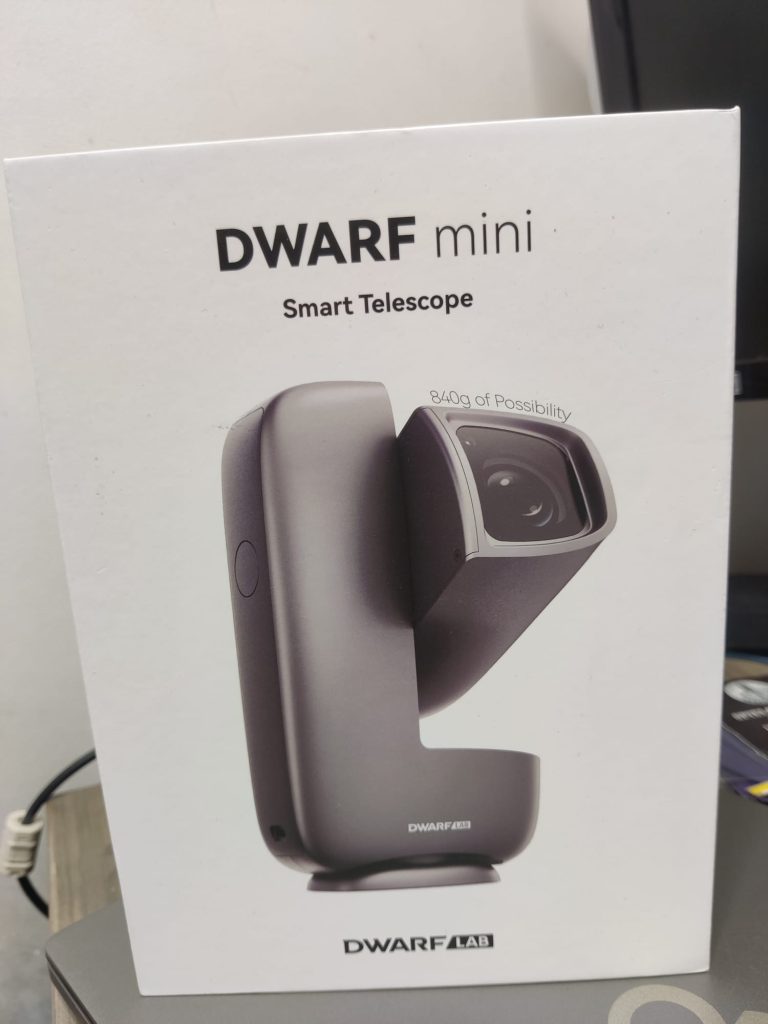
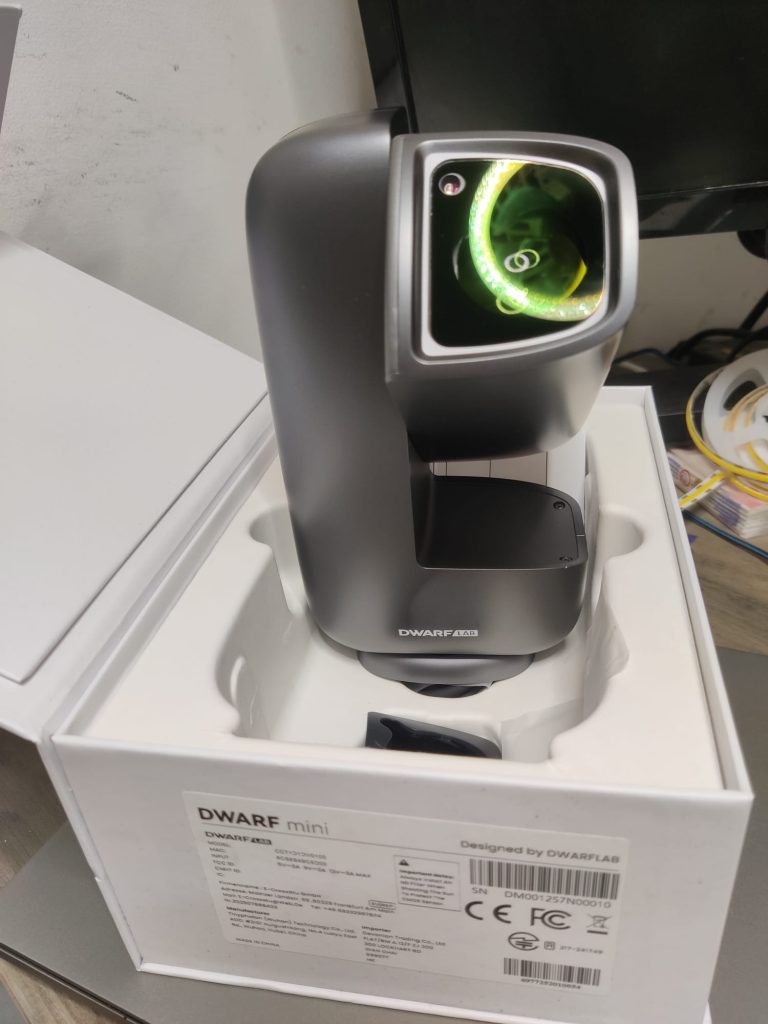
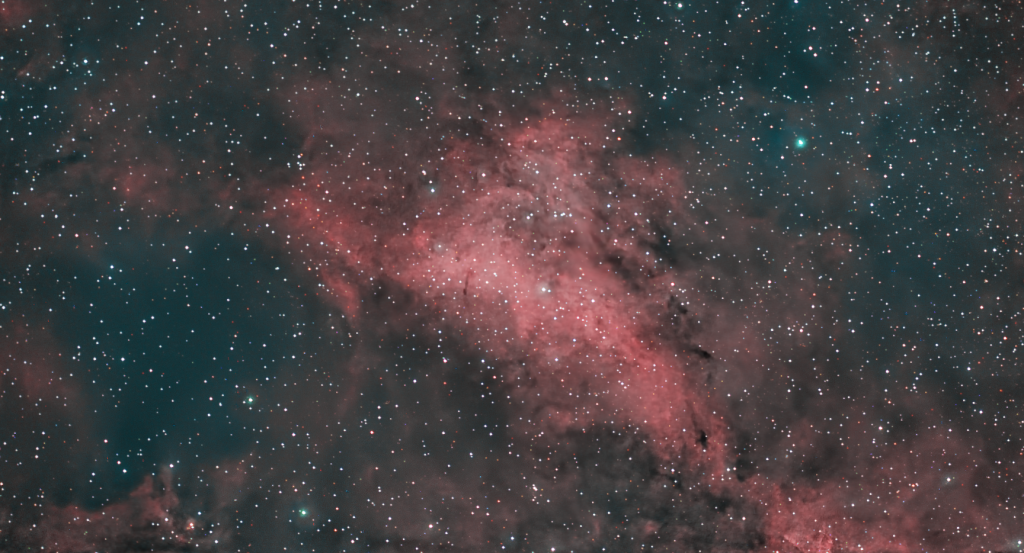
During the testing phase, I spent several nights capturing different nebulae, and the results were simply stunning. The DwarfLab team worked closely with us testers, quickly addressing minor bugs, and the improvements were noticeable. Once everything clicked, the Dwarf Mini truly came to life.
The new IMX662 sensor in the telephoto lens (paired with an f/5 30 mm aperture and 150 mm focal length) and the OS02K10 sensor in the wide-angle lens deliver a surprising amount of detail for such a small package. Both sensors share a 1/2.8″ size and produce sharp, clean 1080p images with a resolution of 1920×1080 and 2.07 megapixels. The decision to stick to 1080p rather than chase higher resolutions was absolutely the right call as it provides a great balance between image quality and efficient data handling.
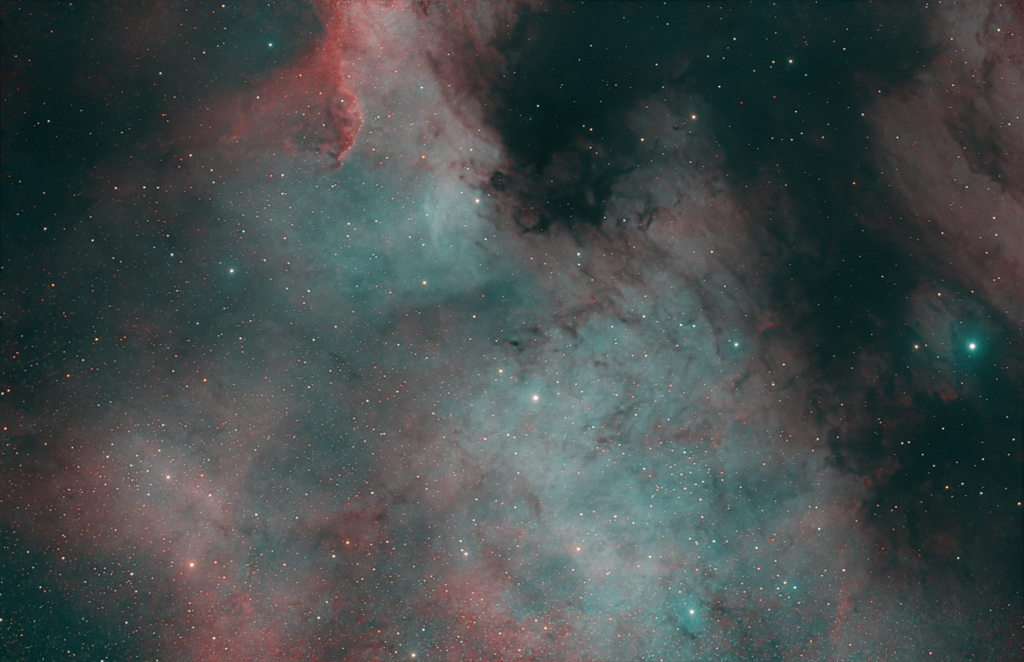
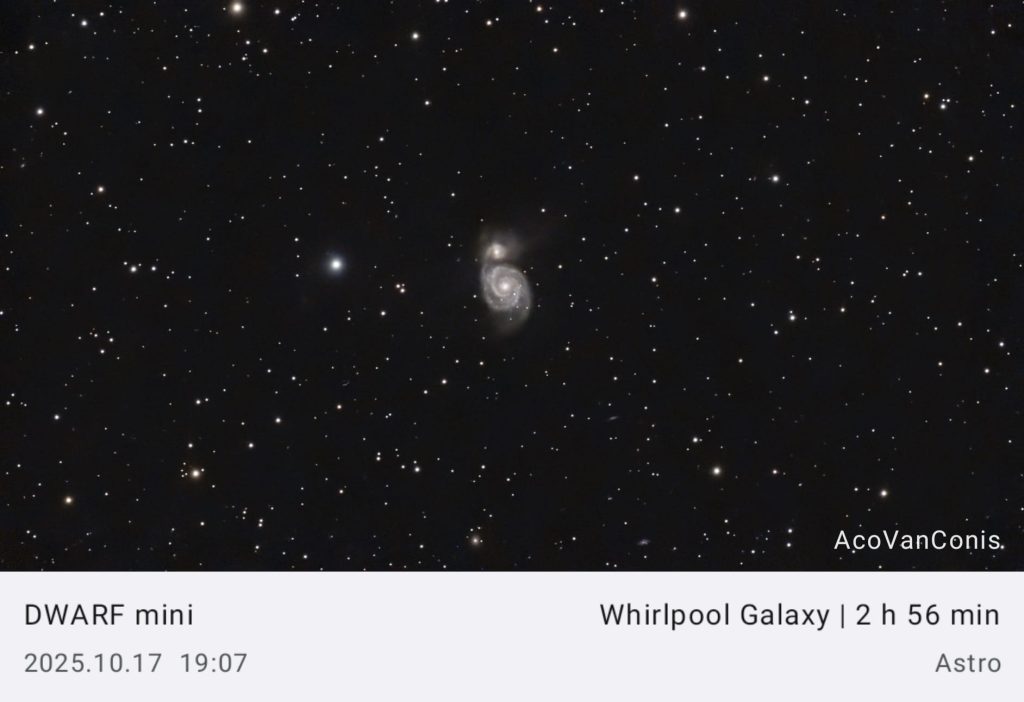
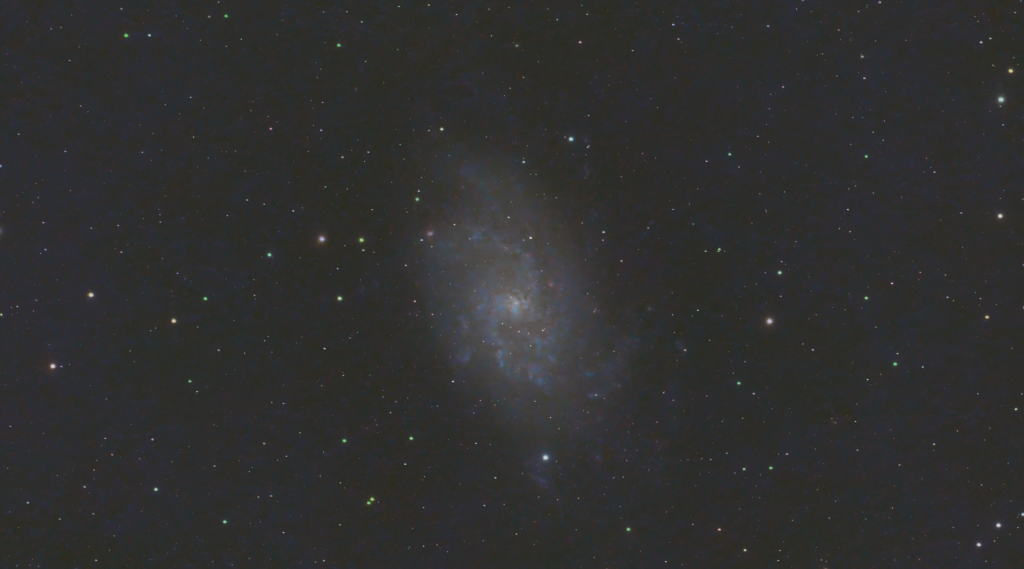
The signal-to-noise ratio is excellent, especially when stacking data collected over several hours. Even 120-second exposures (and a few test runs up to 180 seconds) yielded amazing results, with crisp stars and beautifully defined nebula structures. The built-in filters Astro, Dark, and Duo-Band proved incredibly useful during different imaging conditions.
Battery life was another pleasant surprise. With a 7000mAh battery, I managed around 4 hours of continuous astrophotography, and a full recharge took about 100 minutes via the Type-C port. Operating in temperatures ranging from -20°C to 45°C, the Mini handled my outdoor sessions like a champ. Adding a Powerbank during the session got me thrue the whole night.
If I had to mention one downside, it would be the 64GB internal storage, which fills up rather quickly when capturing long sequences. But that’s a minor trade-off considering everything else this tiny powerhouse offers.
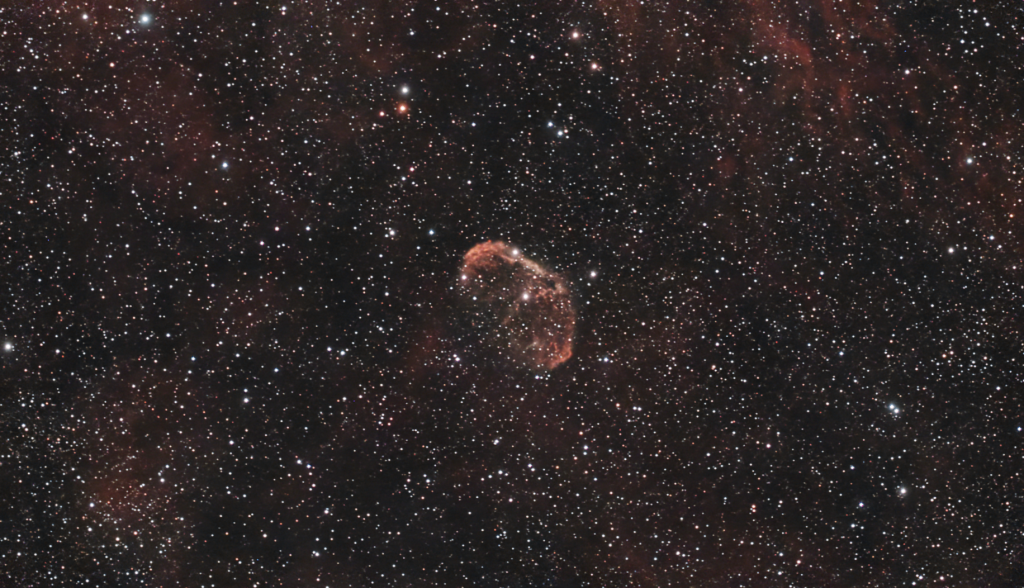
The recent additions of Mosaic mode and Stellar Studio have made the workflow even smoother from capture to post-processing and sharing, everything feels cohesive and beginner-friendly. It’s now incredibly easy to assemble wide-field mosaics and produce stunning final images without leaving the app.
Speaking of the app, the redesigned user interface takes a bit of getting used to, but once you do, it’s a big improvement. The team mentioned that this refreshed interface will soon roll out for the Dwarf 3, which makes sense as the Mini really feels like the Dwarf 3’s little brother: lighter, cheaper, yet remarkably capable.
Overall, I’m genuinely proud to have been part of the tester team. We were able to share ideas, discuss issues, and propose enhancements directly with the DwarfLab engineers. The collaboration was open and productive, and it’s rewarding to see how much of our feedback made its way into the final product.
I’m extremely happy with how the Dwarf Mini turned out. A compact, powerful astrophotography companion that punches well above its size. I’m already looking forward to adding a few more Minis to my collection!
Share this content: